One of my biggest takeaways from Rivas was this awesome song. It used to play all the time in bars. Pinner used to sing this song all the time. I have finally learned this song. I will have to make a video of me singing it.
Category: Uncategorized
Photos I Took of Rivas Nicaragua
Hello everyone! Check out this video I made of the pics I took while I was on a two month vacation in Rivas, Nicaragua.
Wilfredo Pinner Hamme Pitching
About My Maximo Nivel Certification Book
Check out my Maximo Nivel Certification book.
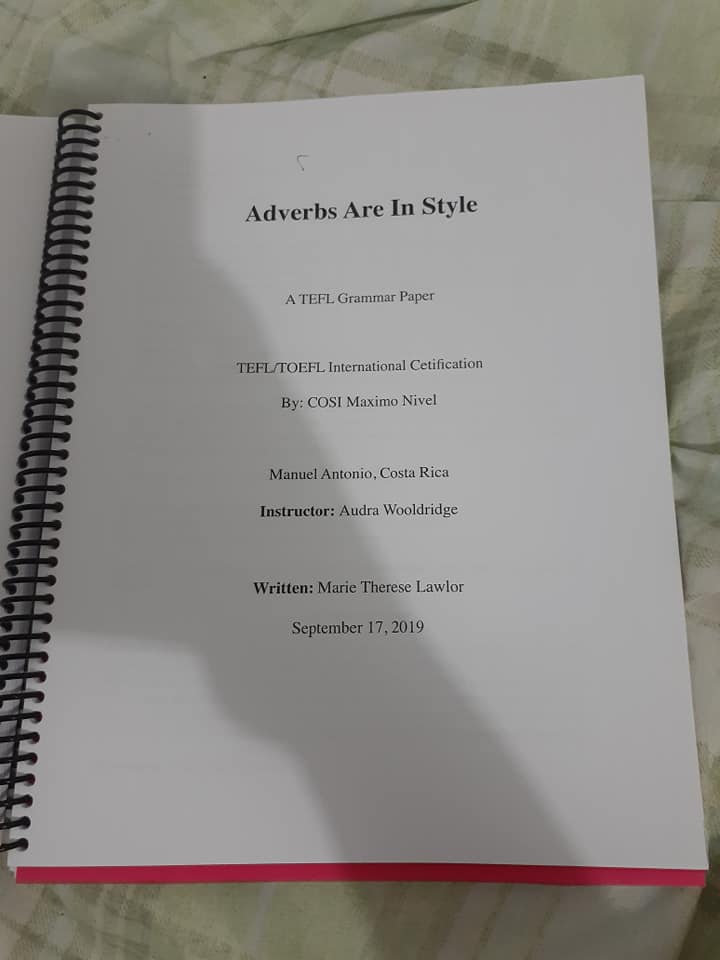
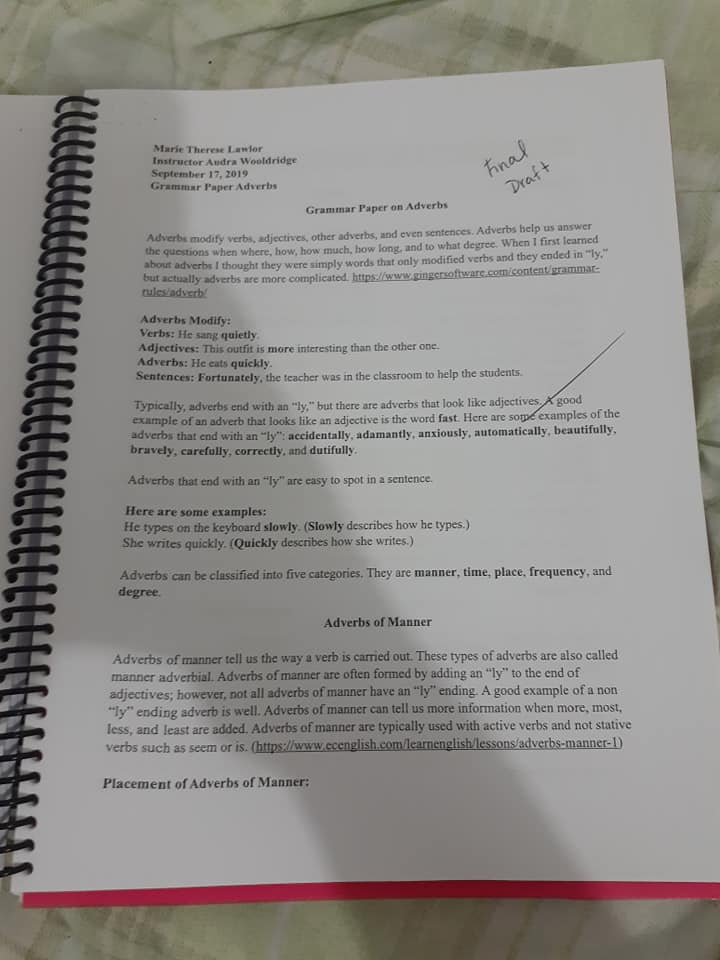
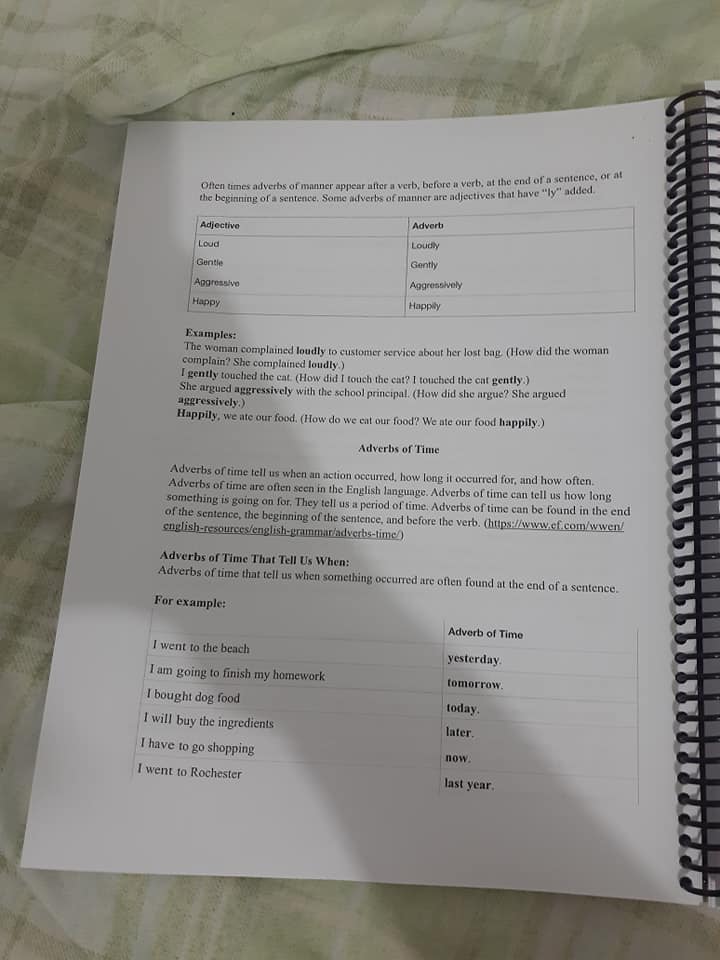
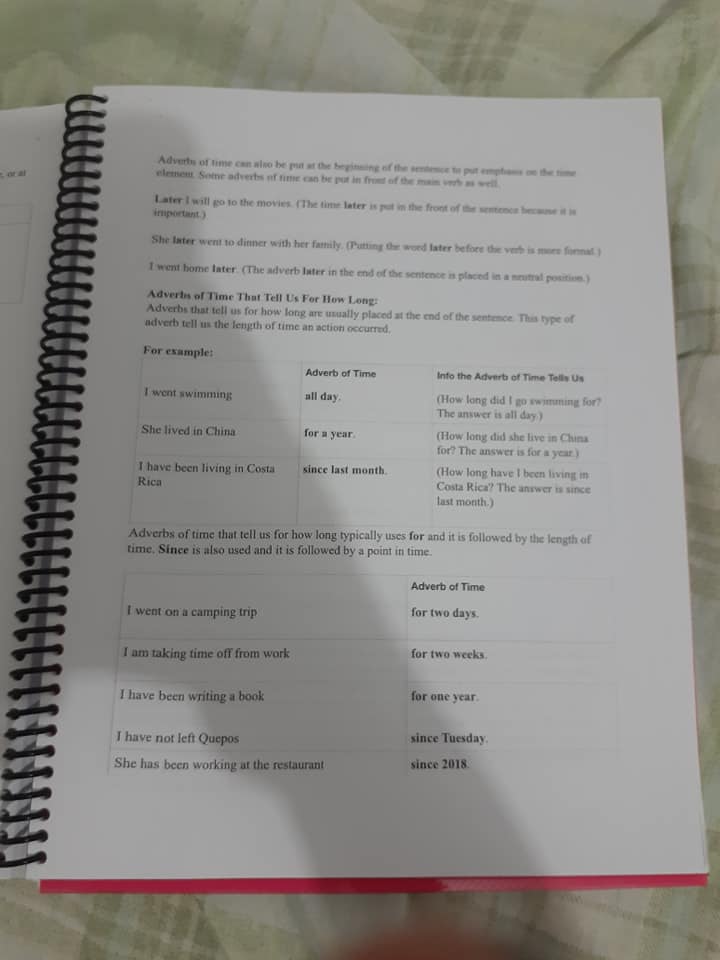
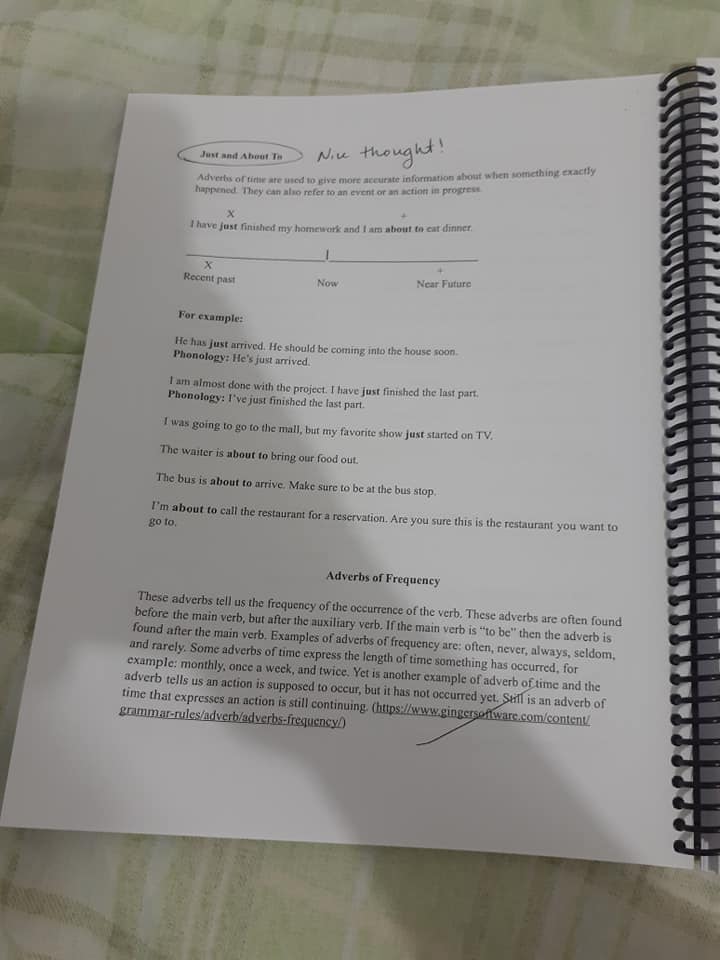
Here are some videos about my book.
The Symbols of Power Wall at the History and Anthropology Museum in Rivas Nicaragua
I am creating a multimedia lesson using the displays in the History and Anthropology Museum in Rivas, Nicaragua. I am taking photos and videos of the wall. I am then typing up the wall messages and then translating it into English. Afterward, I am going to use the vocabulary words from the translated pieces as part of my English and Spanish lessons.
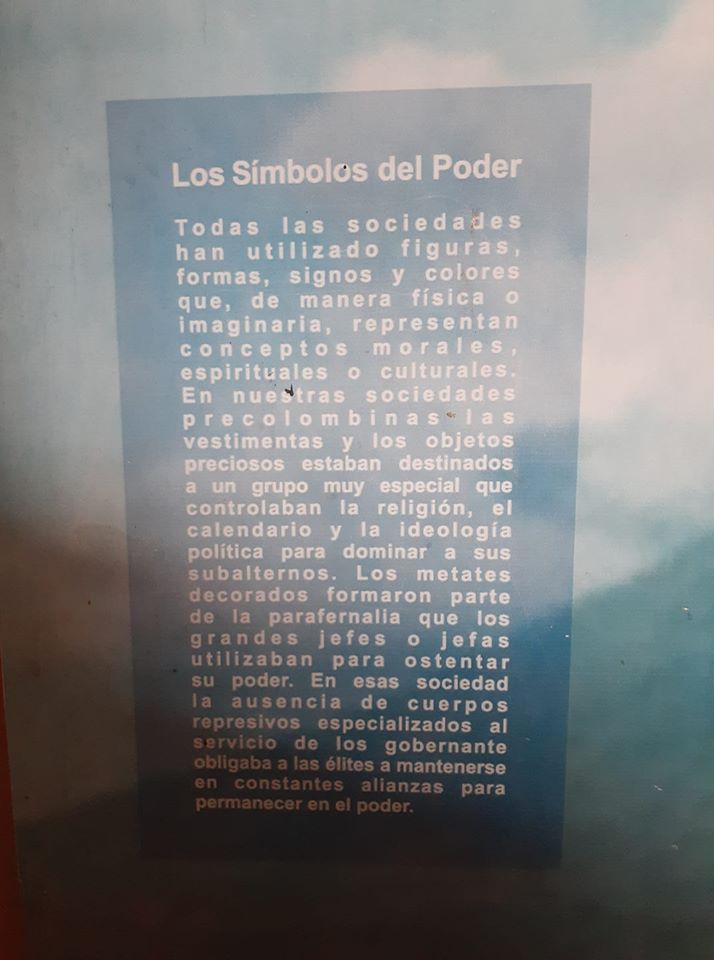
The Symbols of Power Wall at the History and Anthropology Museum in Rivas, Nicaragua. 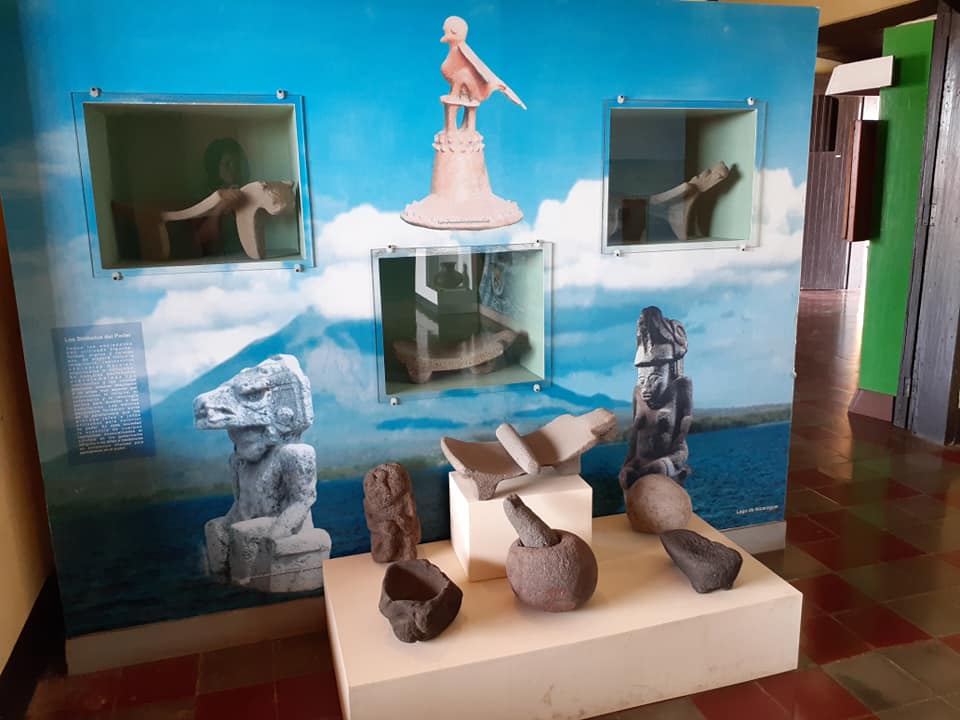
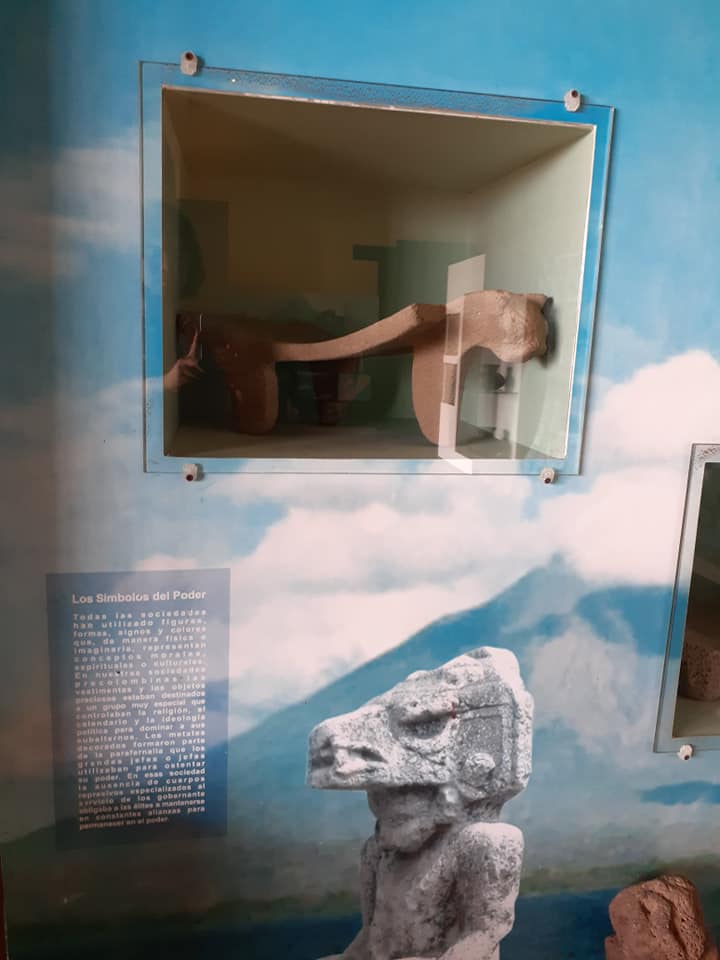
Los Simbolos del Poder
Todas las sociedades han utilizado figuras, formas, signos, y colores que, de manera física o imaginaria, representan conceptos morales, espirituales o culturales. En nuestras sociedades precolombinas las vestimentas y los objetos preciosos estaban destinados a un grupo muy especial que controlaban la religión, el calendario y la ideología política para dominar a sus subalternos. Los metates decorados formaron parte de la parafernalia que los grandes jefes o jefas utilizaban para ostentar a su poder. En esas sociedad la ausencia de cuerpos reprisivos especializados al servicio de los godernante obligaba a las elites a mantenerse en constantes alianzas para permanecer en el poder.
Here is a video of me reading the excerpt in Spanish.
The Symbols of Power
All societies have used figures, shapes, signs, and colors that, in a physical or imaginary way, represent moral, spiritual or cultural concepts. In our pre-Columbian societies, clothing and precious objects were destined for a very special group that controlled religion, calendar and political ideology to dominate their subordinates. The decorated metates were part of the paraphernalia that the great bosses used to hold their power. In these societies, the absence of specialized repressive bodies at the service of the governors forced the elites to remain in constant alliances to remain in power.
Rivas: Entre El Mar y La Mar Dulce Wall at the History and Anthropology Museum in Rivas Nicaragua
I am creating a multimedia lesson using the displays in the History and Anthropology Museum in Rivas, Nicaragua. I am taking photos and videos of the wall. I am then typing up the wall messages and then translating it into English. Afterward, I am going to use the vocabulary words from the translated pieces as part of my English and Spanish lessons.
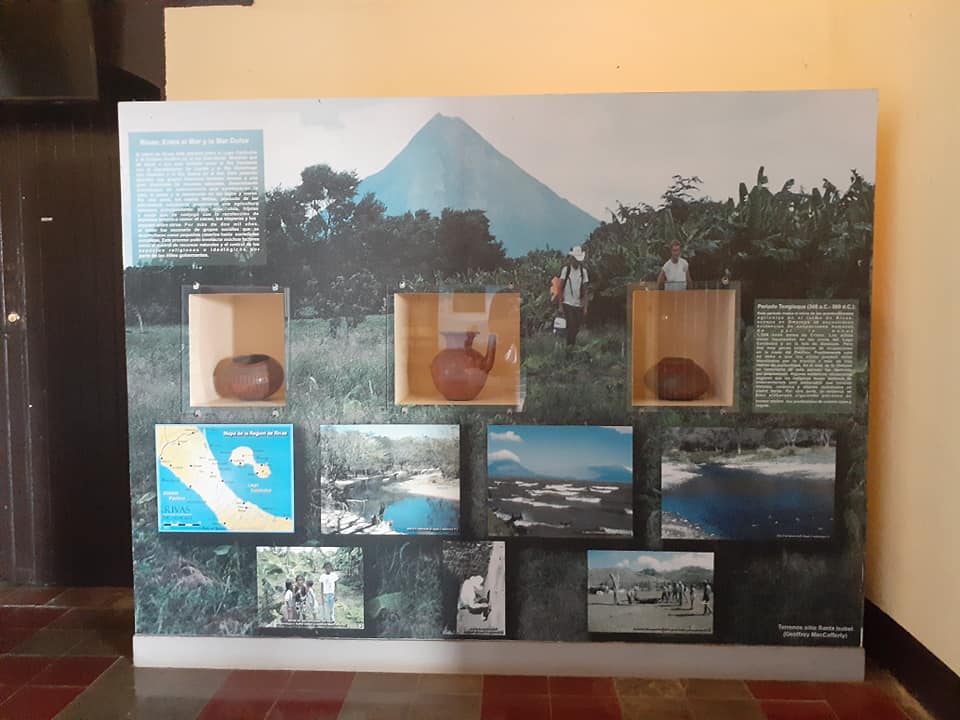
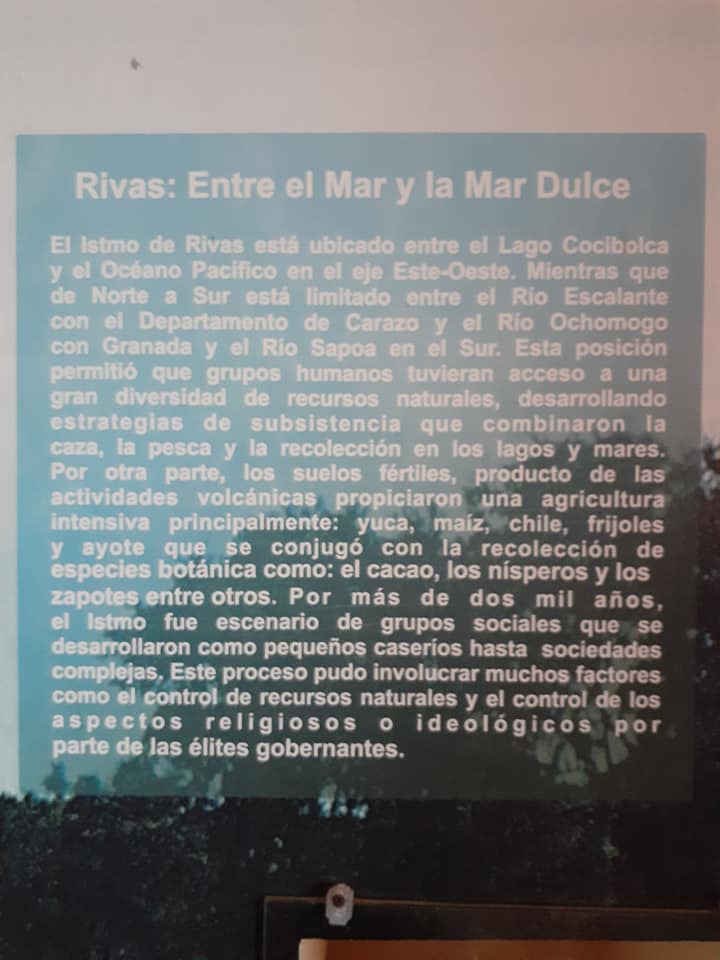
Here is a video of me reading the excerpt in Spanish.
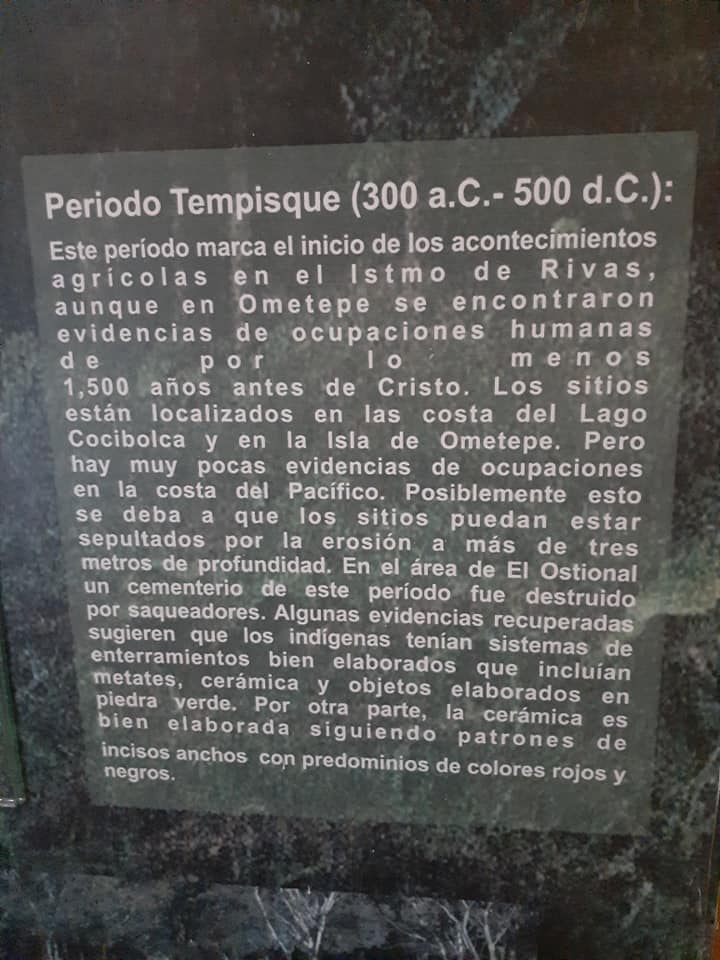
La Vida en la Costa Wall at the History and Anthropology Museum in Rivas Nicaragua
I am creating a multimedia lesson using the displays in the History and Anthropology Museum in Rivas, Nicaragua. I am taking photos and videos of the wall. I am then typing up the wall messages and then translating it into English. Afterward, I am going to use the vocabulary words from the translated pieces as part of my English and Spanish lessons.
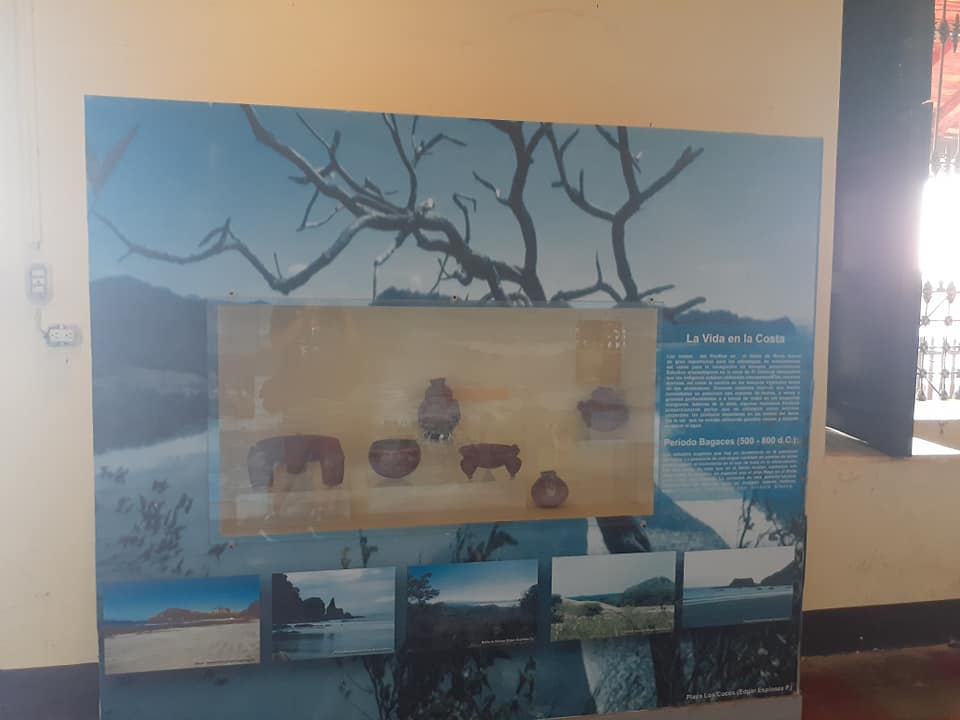
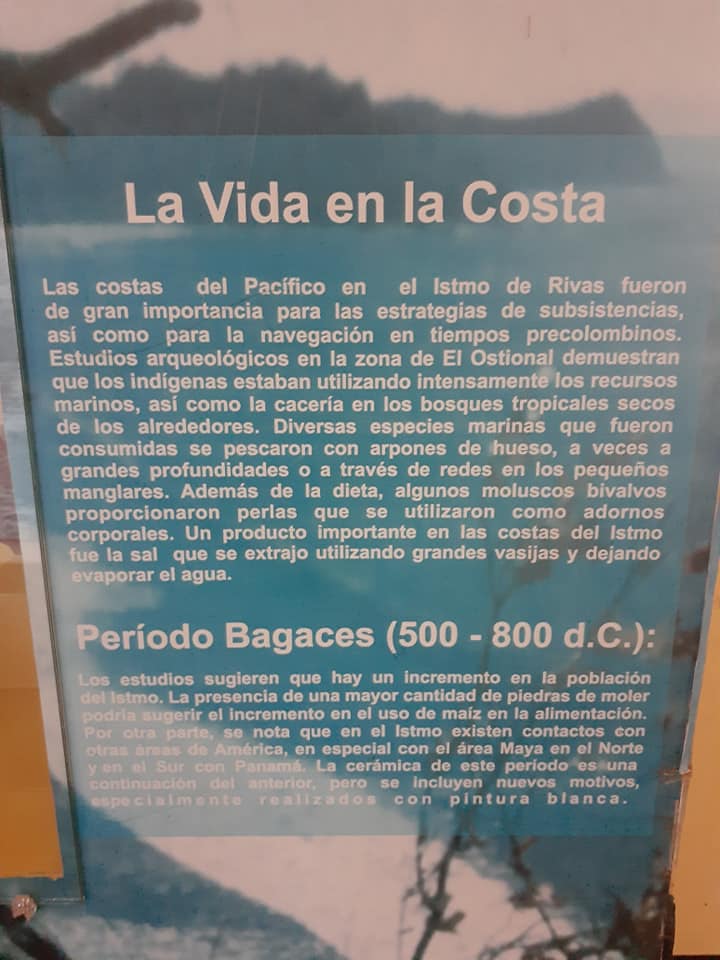
La Vida en La Costa
Las costas del Pacifico en el Istmo de Rivas fueron gran importancia para las estrategias de subsistencias, asi como para navegacion en tiempos precolombinos. Estudios arqueologicos en la zona de El Ostional demuestran que los indigenas estaban utilizando intensamente los recursos marinos, asi como la caceria en los bosques tropicales secos de los alrededores. Diversas especies marinas que fueron consumidas se pescaron con arpones de hueso, a veces a grandes profundidades o a traves de redes en los pequenos manglares. Ademas de la dieta, algunos moluscos bivalvos proporcionaron perlas que se utilizaron como adornos corporales. Un producto importante en las costas del Istmo fue la sal que se extrajo utilizando grandes vasijas y dejando evaporar el agua.
Here is a video of me reading the excerpt in Spanish.
Life on the Coast
The Pacific coasts in the Isthmus of Rivas were of great importance for subsistence strategies, as well as for navigation in the pre-Columbian times. Archaeological studies in the area of El Ostional show that indigenous people were using marine resources intensively, as well as hunting in the surrounding dry tropical forests. Various marine species that were consumed were fished with bone harpoons, sometimes at great depths or through nets in small mangroves. In addition to the diet, some bivalve molluscs provided pearls that were used as body ornaments. An important product on the coast of the Isthmus was salt, which was extracted using large vessels and allowing the water to evaporate.
Periodo Bagaces (500-800 d.C.)
Los estudios sugieren que hay un incremento en la poblacion del Istmo. La presencia de una mayor cantidad de piedras de moler podria sugerir el incremento en el uso de maiz en la alimentacion. Por otra parte, se nota que en el Istmo existen contactos con otras areas de America, en especial con el area Maya en el Norte y en el Sur con Panama. La ceramica de este periodo es una continuacion del anterior, pero se incluyen nuevos motivos, especialmente realizados con pintura blanca.
Here is a video of me reading the excerpt in Spanish.
Bagaces Period (500-800 A.D.)
Studies suggest that there is an increase in the population of the Isthmus. The presence of a greater amount of grinding stones could suggest an increase in the use of corn in the diet. On the other hand, it is noted that in the Isthmus there are contacts with other areas of America, especially with the Maya area in the north and in the south with Panama. The ceramics of this period is a continuation of the previous one, but new motifs are included, especially made with white paint.
La Vida en la Mar Dulce Wall at the History and Anthropology Museum in Rivas Nicaragua
I am creating a multimedia lesson using the displays in the History and Anthropology Museum in Rivas, Nicaragua. I am taking photos and videos of the wall. I am then typing up the wall messages and then translating it into English. Afterward, I am going to use the vocabulary words from the translated pieces as part of my English and Spanish lessons.
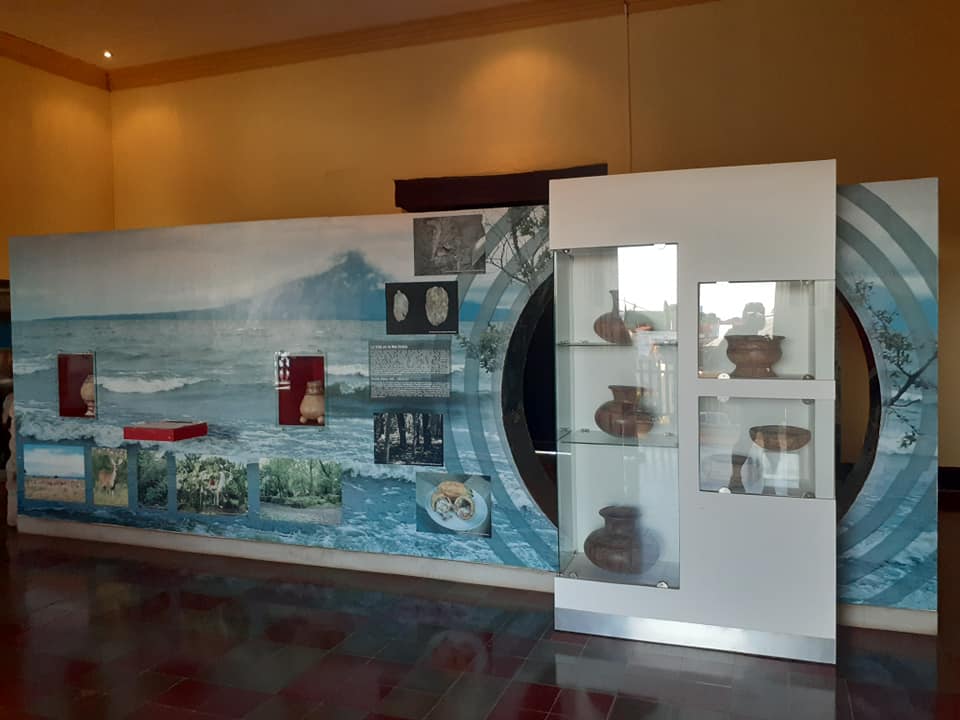
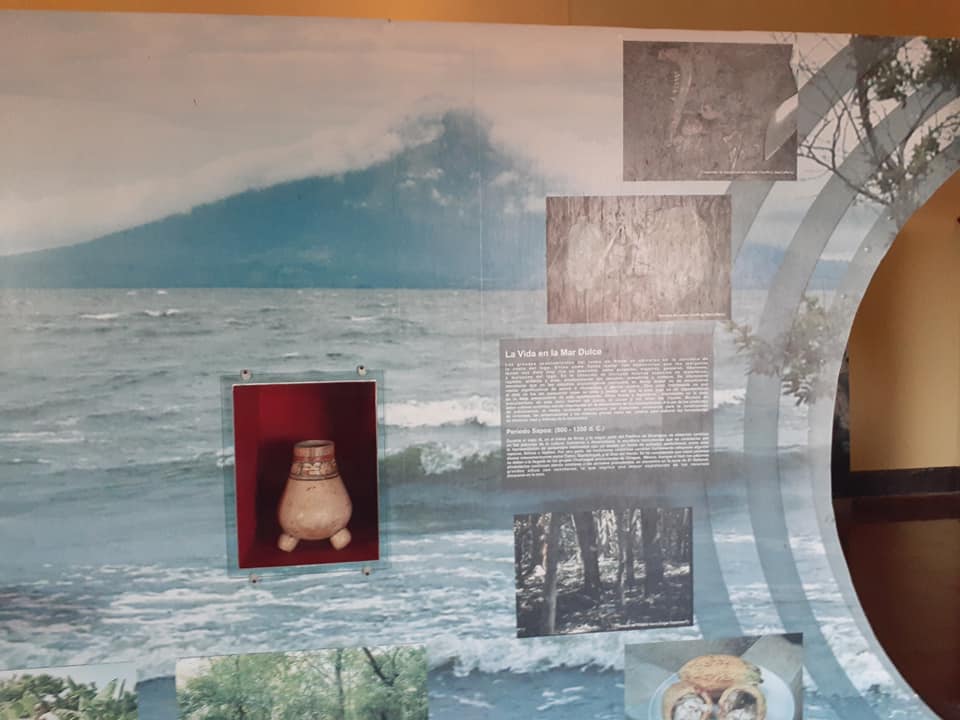
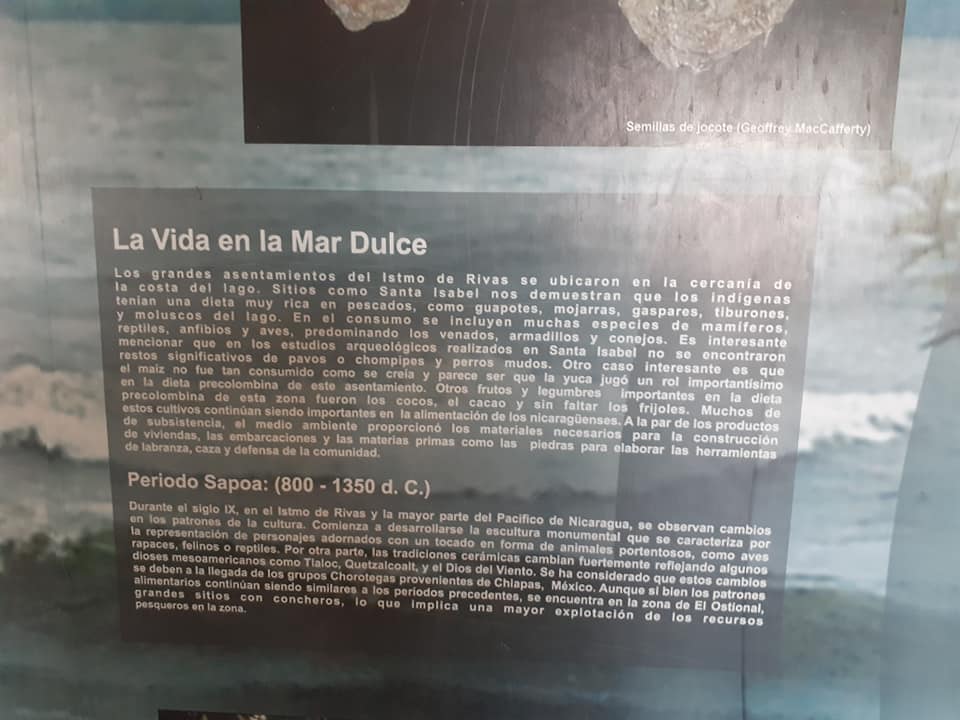
La Vida en la Mar Dulce
Los grandes asentamientos del Istmo de Rivas se ubicaron en la cercania de la costa del lago. Sitios como Santa Isabel nos demuestran que los indigenas tenian una dieta muy rica en pescados, como guapotes, mojarras, gaspares, tiburones y moluscos del lago. En el consumo se incluyen muchas especies de mamiferos, reptiles, anfibios y aves, predominado los venados, armadillos y conejos. Es interesante mencionar que en los estudios arqueologicos realizados en Santa Isabel no se encontraron restos significativos de pavos o chompipes y perros mudos. Otro caso interesante es que el maíz no fue tan consumido como se creía y parece ser que la yuca jugo un rol importantísimo en la dieta precolombina de este asentamiento. Otros frutos y legumbres importantes en la dieta estos cultivos continúan siendo importantes en la dieta estos cultivos continúan siendo importantes en la alimentación de los nicaraguenses. A la par de los productos de viviendas, las embarcaciones y las materias primas como las piedras para elaborar las herramientas de labranza, caza y defensa de la comunidad.
Here is a video of me reading the excerpt in Spanish.
Life in the Sweet Sea
The large settlements of the Isthmus of Rivas were located in the vicinity of the lake coast. Sites like Santa Isabel show us that the natives had a diet very rich in fish, such as guapotes, mojarras, gaspares, sharks and mollusks from the lake. Consumption includes many species of mammals, reptiles, amphibians and birds, predominantly deer, armadillos and rabbits. It is interesting to mention that in the archaeological studies carried out in Santa Isabel, no significant remains of turkeys or chompipes and wild dogs were found. Another interesting case is that corn was not consumed as it was believed and it seems that cassava played an important role in the pre-Columbian diet of this settlement. Other important fruits and vegetables in the diet continue to be important in the diet of Nicaraguans. Along with housing products, boats and raw materials such as stones to develop tools for farming, hunting and defense of the community.
Here is a video of me reading the excerpt in English.
Coming soon.
Periodo Sapoa: (800-1350 d.C.)
Durante el siglo IX, en el Istmo de Rivas y la mayor parte del Pacifico de Nicaragua, se observan cambios en los partones de la cultura. Comienza a desarrollarse la escultura monumental que se caracteriza por la representación de personajes adornados con un tocado en forma de animales portentosos, como aves rapaces, felinos o reptiles. Por otra parte, las tradiciones cerámicas cambian fuertemente reflejando algunos dioses mesoamericanos como Tlaloc, Quetzalcoalt, y el Dios del Viento. Se ha considerado que estos cambios se deben a la llegadad de los grupos chorotegas provenientes de Chiapas, Mexico. Aunque si bien los patrones alimentarios continúan siendo similares a los periodos precedentes, se encuentra en la zona de El Ostional, grandes sitios con concheros, lo que implica una mayor explotación de los recursos pesqueros en la zona.
Here is a video of me reading the excerpt from the museum in Spanish.
Sapoa Period: (800-1350 A.D.)
During the ninth century, in the Isthmus of Rivas and most of the Pacific of Nicaragua, changes in the parts of culture were observed. The monumental sculpture that is characterized by the representation of characters adorned with a headdress in the form of portentous animals, such as birds, felines, and reptiles begin to develop. On the other hand, ceramic traditions change strongly reflecting some Mesoamerican gods such as Tlaloc, Quetzalcoalt, and the Wind God. It has been considered that these changes are due to the arrival of the Chorotegas groups from Chiapas, Mexico. Although food patterns continue to be similar to previous periods, large sites with concheros are found in the Ostional area, which implies greater exploitation of fishery resources in the area.
Life After Death Wall at the History and Anthropology Museum in Rivas Nicaragua
I am creating a multimedia lesson using the displays in the History and Anthropology Museum in Rivas, Nicaragua. I am taking photos and videos of the wall. I am then typing up the wall messages and then translating it into English. Afterward, I am going to use the vocabulary words from the translated pieces as part of my English and Spanish lessons.
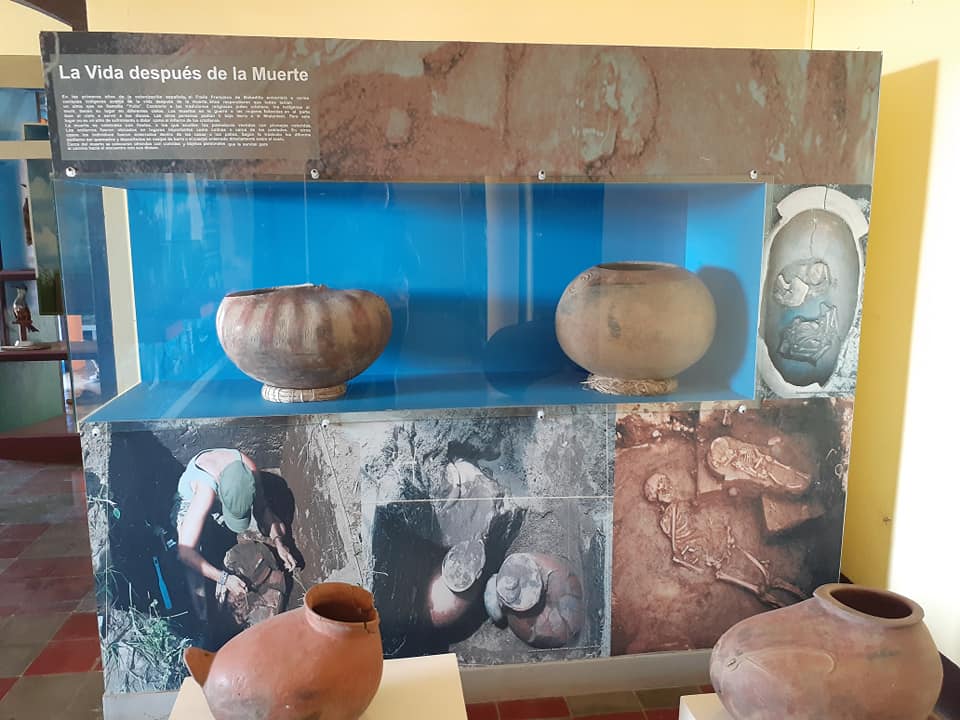
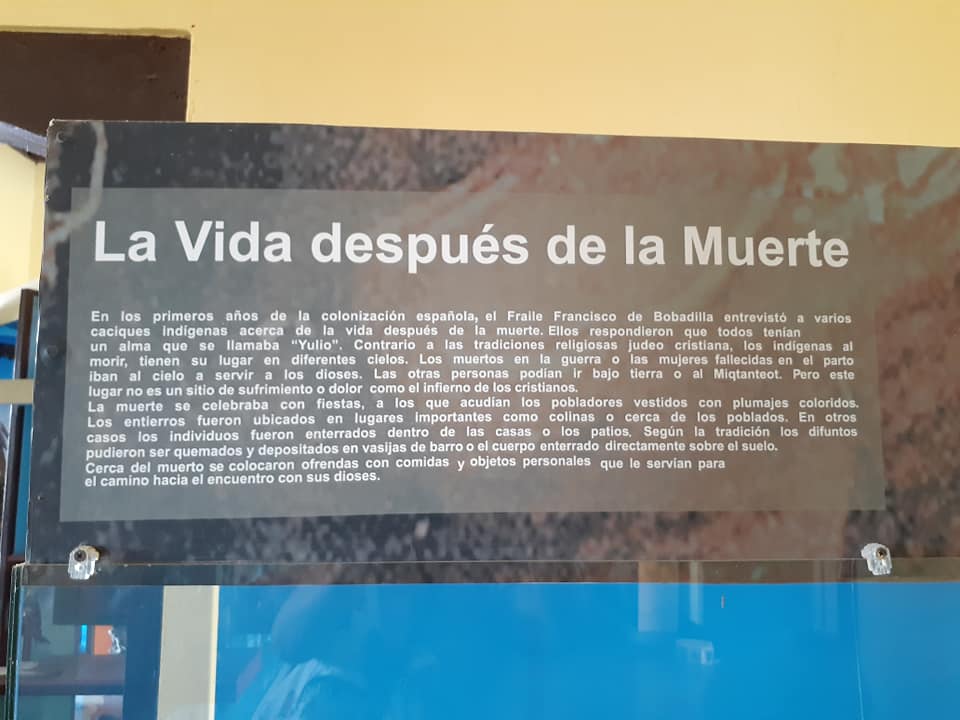
La Vida Despues De La Muerte
En los primeros anos de la colonización española el Fraile
Francisco de Bobadilla entrevisto a varios caciques indígenas acerca de la vida
después de la muerte. Ellos respondieron que todos tenían un alma que se
llamaba ¨Yulio.¨Contrario a las tradiciones religiosas juedo, cristiana, los indígenas
al morir, tienen su lugar en diferentes cielos. Los muertos en la guerra o las
mujeres fallecidas en el parto iban al cielo a servir a los dioses. Las otras
personas podían ir bajo tierra o al Miqtanteot. Pero este lugar no es un sitio
de sufrimiento o dolor como el infierno de los cristianos.
La muerte se celebraba con fiestas, a los que acudían los pobladores vestidos con plumajes coloridos. Los entierros fueron ubicados en lugares importantes como colinas o cerca de los poblados. En otros casos los individuos fueron enterrados dentro de las casas o los patios. Según la tradiccion los difuntos pudieron ser quemados y depositados en vasijas de barro o el cuerpo enterrado directamente sobre el suelo. Cerca del muerto se colocaron ofrendas con comidas y objetos personales que le servían para el camino hacia el encuentro con sus dioses.
Here is a video of me reading the excerpt from the museum.
Life After Death
In the first years of the Spanish colonization, Friar Francisco de Bobadilla interviewed several indigenous chiefs about life after death. They replied that everyone had a soul called ¨Yulio.¨ Contrary to the religious traditions Judeo-Christian, the indigenous at death have their place in different skies. Those killed in war or women killed in childbirth went to heaven to serve the gods. The other people could go underground or to the Miqtanteot, but this place is not a place of suffering or pain like the hell of Christians.
Death was celebrated with parties, which were attended by villagers dressed in colorful plumages. Burials were located in important places such as hills or nearby towns. In other cases, individuals were buried inside houses or courtyards. According to tradition, the deceased should be burned and deposited in clay pots or the body buried directly in the ground. Offerings were placed near the dead with meals and personal items that showed the way to the encounter with their gods.
Here is a video of me reading the translation of the excerpt from the museum.
Preserving the Memory Wall at the History and Anthropology Museum in Rivas Nicaragua
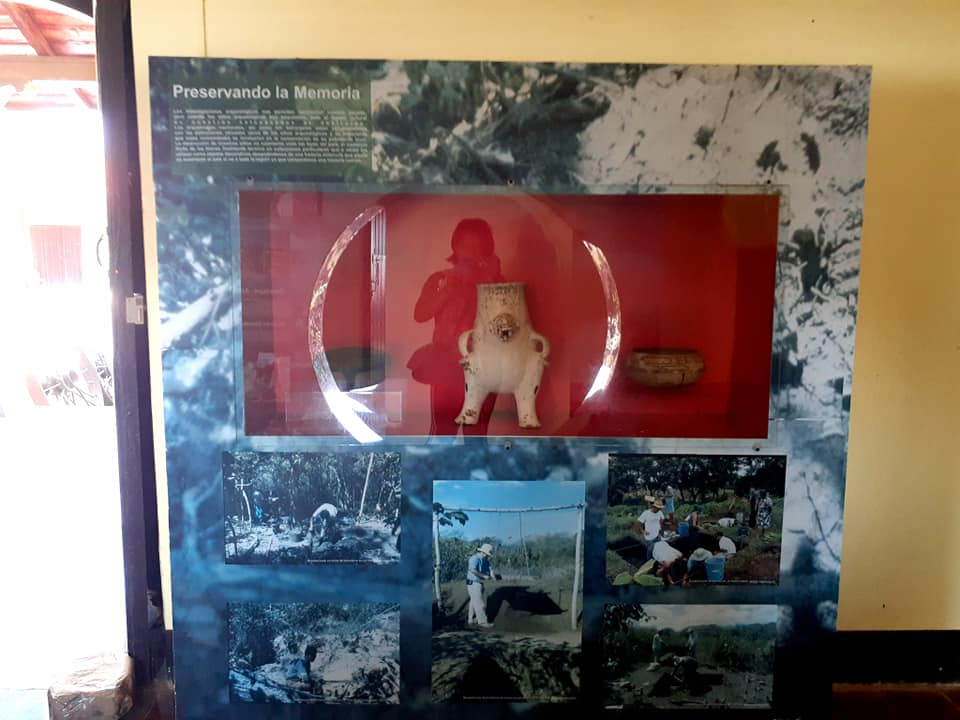
Preserving the Memory wall in the History and Anthropology Museum of Rivas.
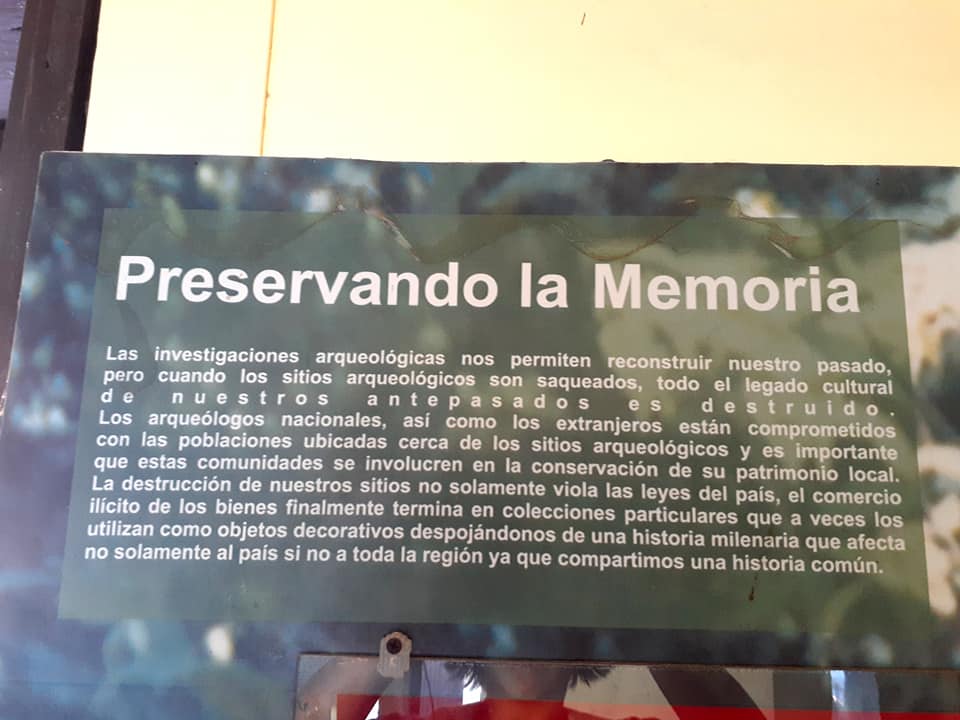
I am creating a multimedia lesson using the displays in the History and Anthropology Museum in Rivas, Nicaragua. I am taking photos and videos of the wall. I am then typing up the wall messages and then translating it into English. Afterward, I am going to use the vocabulary words from the translated pieces as part of my English lessons.
Here is the wall message typed up and then translated to English.
Preservando La Memoria
Las investigaciones aquelogicas nos permiten reconstruir nuestro pasado, pero cuando los sitios arqueológicos son saqueados, todo el legado cultural de nuestros antepasados es destruido. Los arqueólogos nacionales, asi como los extranjeros están comprometidos con las poblaciones ubicadas cerca de los sitios arquelogicos y es importante que estas comunidades se involucren en la conservación de su patrimonio local. La destrucción de nuestros sitios no solamente viola las leyes del país, el comercio ilícito de los bienes finalmente termina en colecciones particulares que a veces los utilizan como objetos decorativos despejándonos de una historia milenaria que afecta no solamente al país si no a toda la región y que compartimos una historia común.
Here is a video of me reading the excerpt from the museum in Spanish.
Preserving the Memory
Achaeological research allows us to reconstruct our past, but when archeological sites are looted, all the cultural legacy of our ancestors are destroyed. National archaeologists, as well as foreigners are committed to populations located near archeological sites and it is important that these communities be involved in the conservation of their local heritage. The destruction of our sites violates the laws of the country. The illicit trade of goods ends in private collections that sometimes use them as decorative objects disallowing us of an ancient history that affects not only the country but also the entire region. We share a common story.
Here is a video of me reading the excerpt from the museum in English.
 ThereseInRivas