I am creating a multimedia lesson using the displays in the History and Anthropology Museum in Rivas, Nicaragua. I am taking photos and videos of the wall. I am then typing up the wall messages and then translating it into English. Afterward, I am going to use the vocabulary words from the translated pieces as part of my English and Spanish lessons.
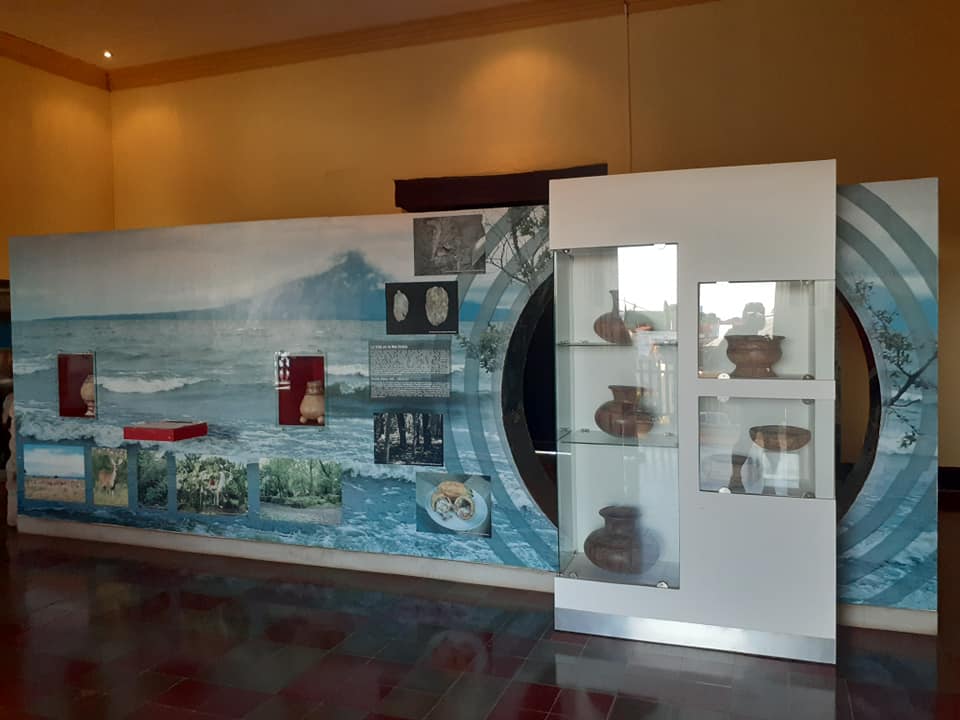
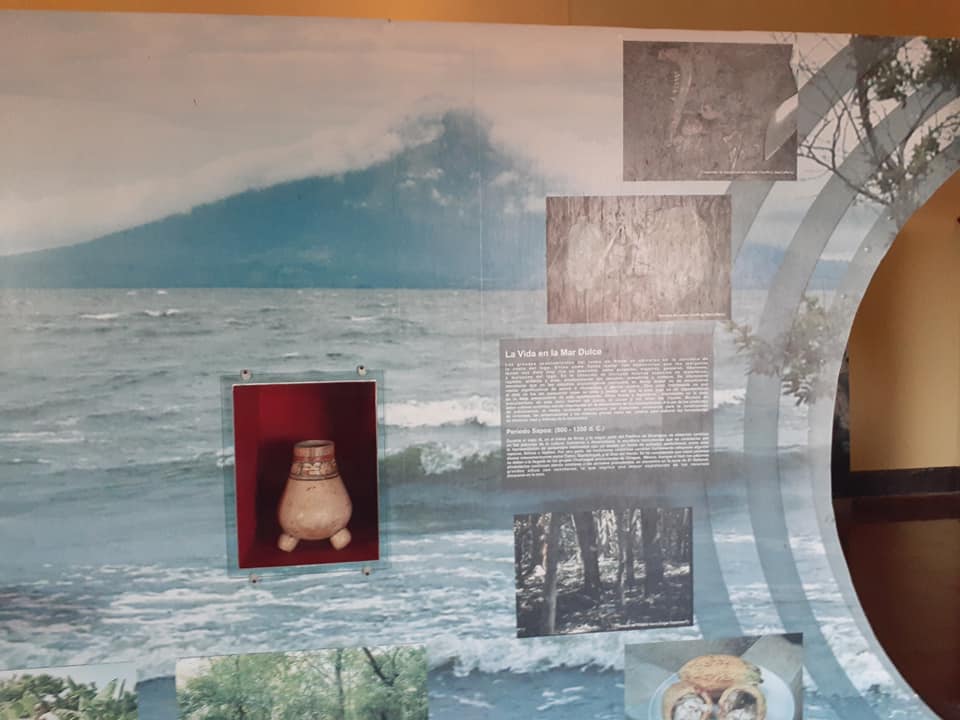
La Vida en la Mar Dulce
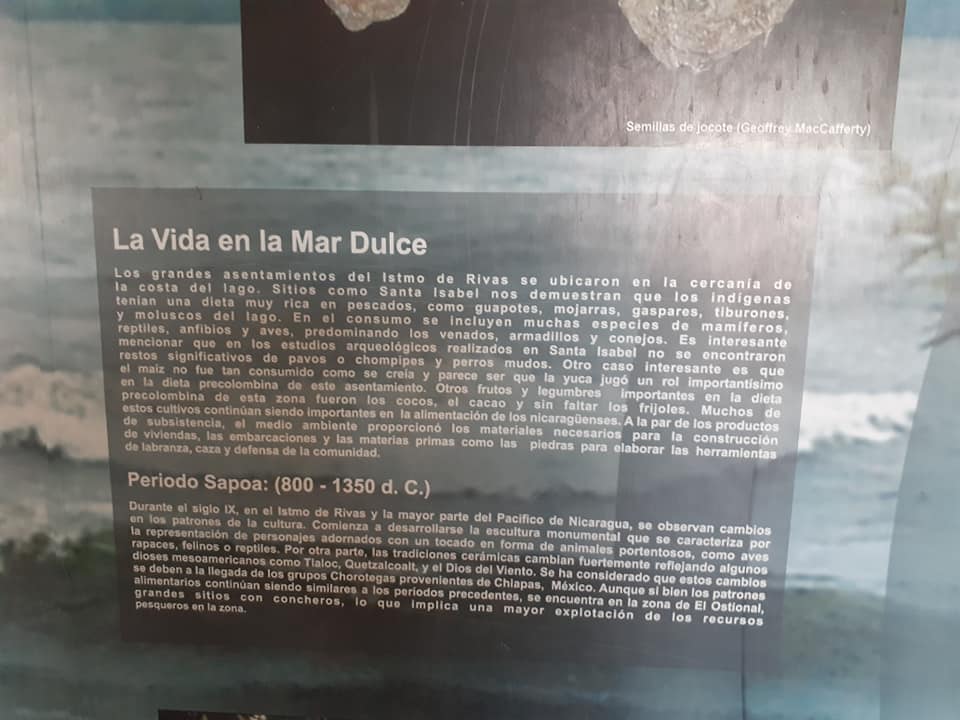
Los grandes asentamientos del Istmo de Rivas se ubicaron en la cercania de la costa del lago. Sitios como Santa Isabel nos demuestran que los indigenas tenian una dieta muy rica en pescados, como guapotes, mojarras, gaspares, tiburones y moluscos del lago. En el consumo se incluyen muchas especies de mamiferos, reptiles, anfibios y aves, predominado los venados, armadillos y conejos. Es interesante mencionar que en los estudios arqueologicos realizados en Santa Isabel no se encontraron restos significativos de pavos o chompipes y perros mudos. Otro caso interesante es que el maíz no fue tan consumido como se creía y parece ser que la yuca jugo un rol importantísimo en la dieta precolombina de este asentamiento. Otros frutos y legumbres importantes en la dieta estos cultivos continúan siendo importantes en la dieta estos cultivos continúan siendo importantes en la alimentación de los nicaraguenses. A la par de los productos de viviendas, las embarcaciones y las materias primas como las piedras para elaborar las herramientas de labranza, caza y defensa de la comunidad.
Here is a video of me reading the excerpt in Spanish.
Life in the Sweet Sea
The large settlements of the Isthmus of Rivas were located in the vicinity of the lake coast. Sites like Santa Isabel show us that the natives had a diet very rich in fish, such as guapotes, mojarras, gaspares, sharks and mollusks from the lake. Consumption includes many species of mammals, reptiles, amphibians and birds, predominantly deer, armadillos and rabbits. It is interesting to mention that in the archaeological studies carried out in Santa Isabel, no significant remains of turkeys or chompipes and wild dogs were found. Another interesting case is that corn was not consumed as it was believed and it seems that cassava played an important role in the pre-Columbian diet of this settlement. Other important fruits and vegetables in the diet continue to be important in the diet of Nicaraguans. Along with housing products, boats and raw materials such as stones to develop tools for farming, hunting and defense of the community.
Here is a video of me reading the excerpt in English.
Coming soon.
Periodo Sapoa: (800-1350 d.C.)
Durante el siglo IX, en el Istmo de Rivas y la mayor parte del Pacifico de Nicaragua, se observan cambios en los partones de la cultura. Comienza a desarrollarse la escultura monumental que se caracteriza por la representación de personajes adornados con un tocado en forma de animales portentosos, como aves rapaces, felinos o reptiles. Por otra parte, las tradiciones cerámicas cambian fuertemente reflejando algunos dioses mesoamericanos como Tlaloc, Quetzalcoalt, y el Dios del Viento. Se ha considerado que estos cambios se deben a la llegadad de los grupos chorotegas provenientes de Chiapas, Mexico. Aunque si bien los patrones alimentarios continúan siendo similares a los periodos precedentes, se encuentra en la zona de El Ostional, grandes sitios con concheros, lo que implica una mayor explotación de los recursos pesqueros en la zona.
Here is a video of me reading the excerpt from the museum in Spanish.
Sapoa Period: (800-1350 A.D.)
During the ninth century, in the Isthmus of Rivas and most of the Pacific of Nicaragua, changes in the parts of culture were observed. The monumental sculpture that is characterized by the representation of characters adorned with a headdress in the form of portentous animals, such as birds, felines, and reptiles begin to develop. On the other hand, ceramic traditions change strongly reflecting some Mesoamerican gods such as Tlaloc, Quetzalcoalt, and the Wind God. It has been considered that these changes are due to the arrival of the Chorotegas groups from Chiapas, Mexico. Although food patterns continue to be similar to previous periods, large sites with concheros are found in the Ostional area, which implies greater exploitation of fishery resources in the area.
 ThereseInRivas