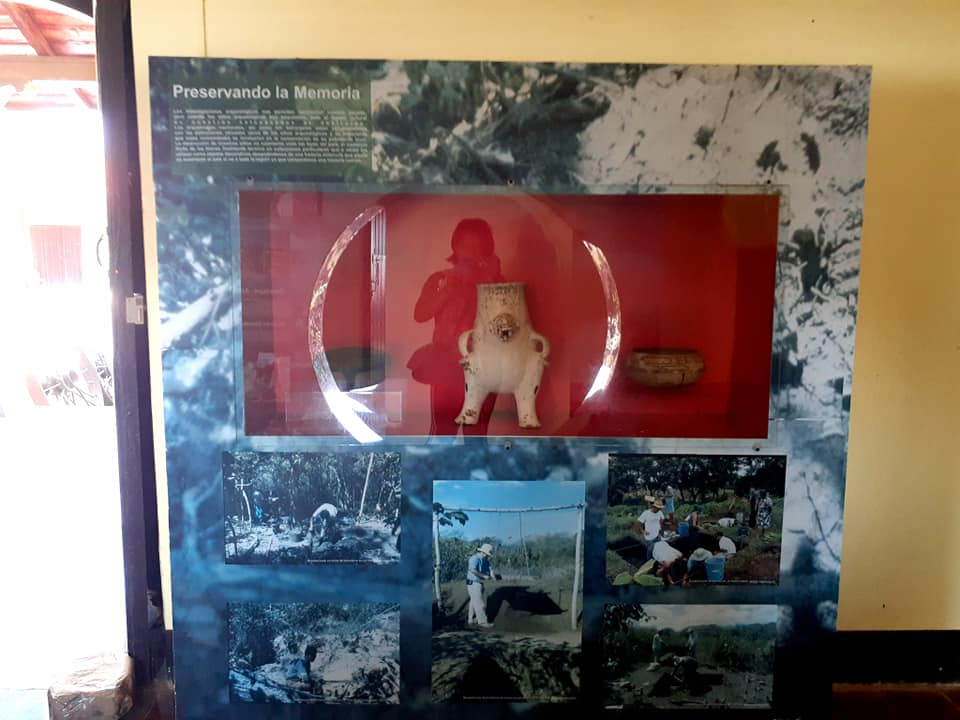
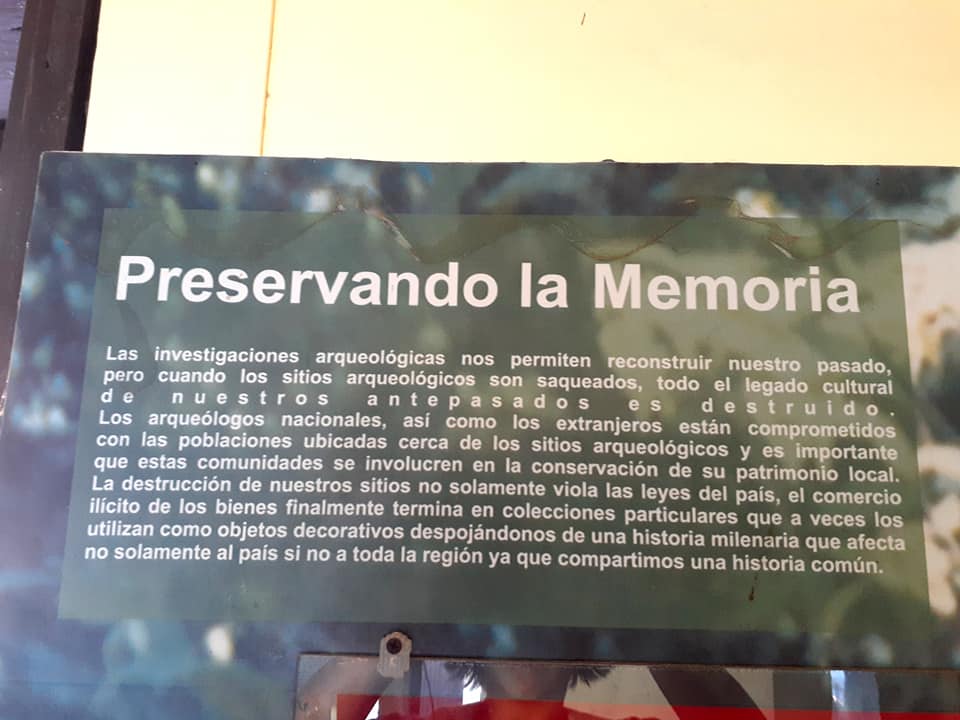
I am creating a multimedia lesson using the displays in the History and Anthropology Museum in Rivas, Nicaragua. I am taking photos and videos of the wall. I am then typing up the wall messages and then translating it into English. Afterward, I am going to use the vocabulary words from the translated pieces as part of my English and Spanish lessons.
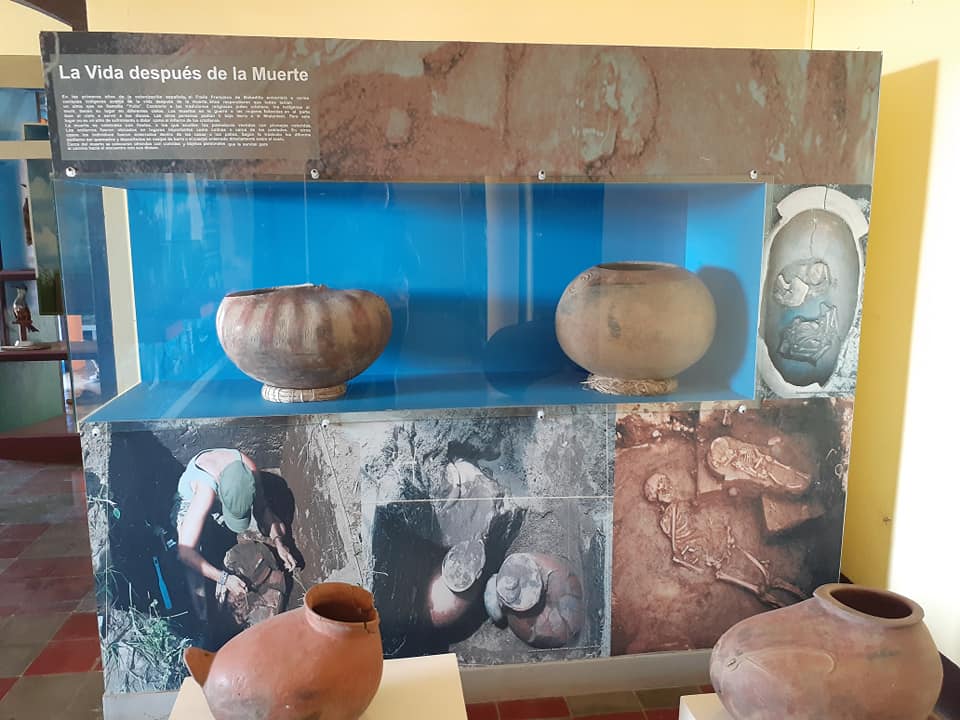
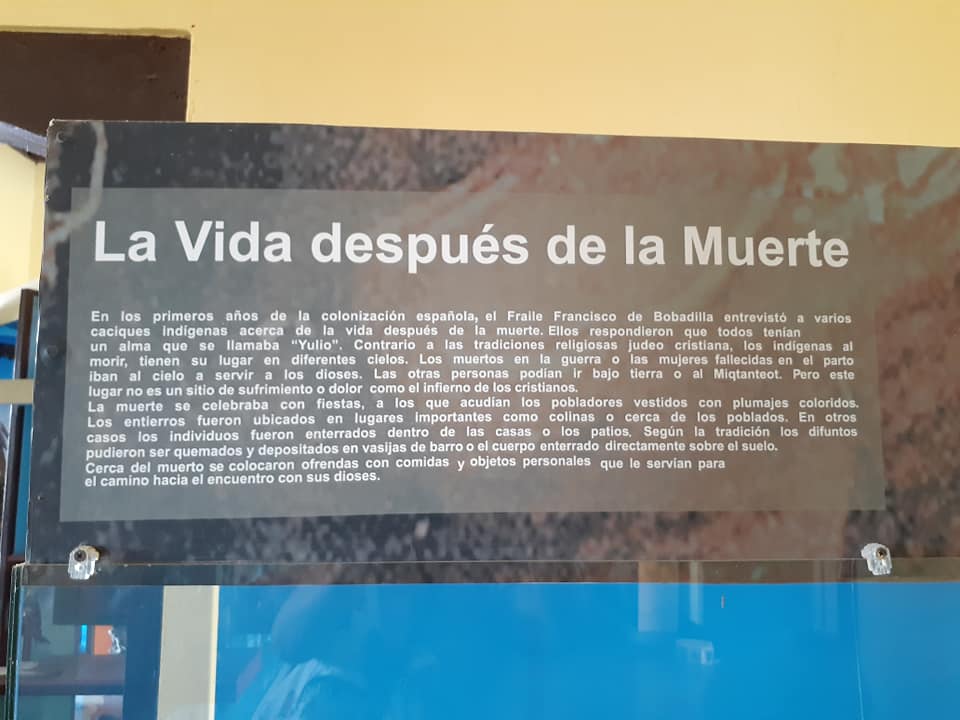
La Vida Despues De La Muerte
En los primeros anos de la colonización española el Fraile
Francisco de Bobadilla entrevisto a varios caciques indígenas acerca de la vida
después de la muerte. Ellos respondieron que todos tenían un alma que se
llamaba ¨Yulio.¨Contrario a las tradiciones religiosas juedo, cristiana, los indígenas
al morir, tienen su lugar en diferentes cielos. Los muertos en la guerra o las
mujeres fallecidas en el parto iban al cielo a servir a los dioses. Las otras
personas podían ir bajo tierra o al Miqtanteot. Pero este lugar no es un sitio
de sufrimiento o dolor como el infierno de los cristianos.
La muerte se celebraba con fiestas, a los que acudían los pobladores vestidos con plumajes coloridos. Los entierros fueron ubicados en lugares importantes como colinas o cerca de los poblados. En otros casos los individuos fueron enterrados dentro de las casas o los patios. Según la tradiccion los difuntos pudieron ser quemados y depositados en vasijas de barro o el cuerpo enterrado directamente sobre el suelo. Cerca del muerto se colocaron ofrendas con comidas y objetos personales que le servían para el camino hacia el encuentro con sus dioses.
Here is a video of me reading the excerpt from the museum.
Life After Death
In the first years of the Spanish colonization, Friar Francisco de Bobadilla interviewed several indigenous chiefs about life after death. They replied that everyone had a soul called ¨Yulio.¨ Contrary to the religious traditions Judeo-Christian, the indigenous at death have their place in different skies. Those killed in war or women killed in childbirth went to heaven to serve the gods. The other people could go underground or to the Miqtanteot, but this place is not a place of suffering or pain like the hell of Christians.
Death was celebrated with parties, which were attended by villagers dressed in colorful plumages. Burials were located in important places such as hills or nearby towns. In other cases, individuals were buried inside houses or courtyards. According to tradition, the deceased should be burned and deposited in clay pots or the body buried directly in the ground. Offerings were placed near the dead with meals and personal items that showed the way to the encounter with their gods.
Here is a video of me reading the translation of the excerpt from the museum.
 ThereseInRivas